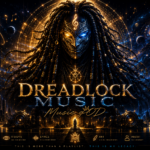
Why MUSIC gOD Has No Artist Photos: Music Before Image
The absence of a conventional artist portrait on Dreadlock Music is intentional. The music is meant to be encountered before the person behind it is judged by appearance. A listener can arrive with no visual biography and decide whether a voice, lyric or arrangement means something to them. That is a different invitation from a typical celebrity-first music profile.
A visual identity without a portrait
Being faceless does not mean having no identity. The name MUSIC gOD, the artwork, the spinning record, the playlists and the organization of the catalog create a recognizable environment. The visual world points back to the recordings instead of requiring a face to explain them. That distinction matters: the project has a strong identity, but the artist’s photograph is not its centerpiece.
Why the music comes first
The catalog grew through years of recording and freestyle experimentation, not through a photo-led promotional campaign. Across more than 750 recordings, the point is the range of feelings and musical ideas. A listener who enjoys one song can explore a very different side of the same artist without needing a new persona for each sound.
What anonymity does and does not mean
Keeping photographs private is not the same as hiding the existence of the artist or claiming that the work has no author. The songs, site, release history and artist perspective are publicly presented. It is a choice about presentation and attention, not a claim of mystery or an attempt to make listeners solve a puzzle.
How to explore the catalog without a face
Begin with a mood or playlist rather than a photograph. Listen to the vocal delivery, changes in subject matter, the space in the arrangement and the difference between raw and layered performances. Follow the songs that hold your attention. The catalog itself provides the introduction.
A different kind of artist-listener relationship
The absence of a portrait leaves more room for the listener’s own associations. One person may hear a confession where another hears a memory or a late-night soundtrack. Neither interpretation needs to be dictated by the artist’s image. That freedom is part of the appeal of listening before looking.
Frequently asked questions
Is MUSIC gOD an anonymous project? The artist does not use a conventional face-forward presentation, but the music and project identity are public. Does the site have artwork? Yes; artwork and themed visuals are part of the experience. Where should a new listener start? The song archive and curated playlists are the most direct introductions.