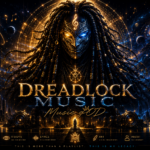


Love 37 by MUSIC gOD: Songs, Release Date, Julien Ray Credits, and What to Hear Next
Love 37 is a four-song neo-soul EP by Dreadlock Music ~ MUSIC gOD, the recording project of Sun. Apple Music lists May 7, 2025 as the release date, a total running time of about 13 minutes, and a 2024 phonogram copyright line. Its artist listing names Julien Ray as producer in the displayed titles of all four tracks.
The EP gives a first-time listener a short way into a much larger body of work. It also gives someone who already follows MUSIC gOD a concrete collaboration to trace across the artist’s own archive. The release date, producer credit, genre label, and listening links below serve different purposes. Together they make it possible to identify the right record, give the producer credit, and follow the sound into other recordings. Listen to the EP on Apple Music · View the artist and track listings.
Release date, artist name, genre, and producer
| Field | Published information |
|---|---|
| Release | Love 37 – EP |
| Artist display name | Dreadlock Music ~ Music gOD on Apple Music. The project styles its name Dreadlock Music ~ MUSIC gOD on its own site. |
| Artist’s public name | Sun, recording as MUSIC gOD |
| Release date | May 7, 2025 |
| Genre | Neo-Soul, as categorized by Apple Music |
| Length | Four songs, about 13 minutes |
| Producer named in track titles | Julien Ray |
| Phonogram line | ℗ 2024 Dreadlock Music ~ Music gOD |
May 7, 2025 is the date to use when referring to the Apple Music release. The © and ℗ symbols serve different labeling purposes. Here the symbol displayed is ℗, and 2024 is the year printed alongside it. Apple’s release page supplies both dates. The listing gives those dates without dating the writing or recording sessions. Apple Music release metadata.
What songs are on Love 37?
These are the four titles listed on Apple Music’s artist profile. The profile groups them under Top Songs, so the order below follows that display. Use the album’s own player to hear the release in its published sequence.
| Song | Producer credit | A question to listen for |
|---|---|---|
| Land of Lost Hearts | Julien Ray | Where does the lead vocal make the phrase feel intimate? Follow the ends of its lines and hear how much space the accompaniment leaves there. |
| Love 37 (Interlude) | Julien Ray | What happens to your sense of pace when the title interlude arrives? Keep it in context once before replaying it on its own. |
| Groove Right Now | Julien Ray | Tap the beat and follow the first vocal line you remember. Notice where the vocal and your count come together and where the words pull against the pulse. |
| Water Love (Rain) | Julien Ray | Listen to the spaces between phrases. What stays in your ear after the lead stops, and how does it affect the next phrase? |
Search by the full distinctive title when looking for a song outside the EP. “Water Love” becomes easier to identify when you include “Rain,” and “Love 37” can refer to either the whole release or the interlude. Adding “Dreadlock Music” or “Julien Ray” helps identify the right recording when the title alone gives you too many results. Check the four track titles.
Sun, vocal harmony, and the work behind Dreadlock Music
Sun’s account of the project begins with choir and with listening. He describes wanting to hear the harmony parts he could imagine, then listening repeatedly to the layers in R&B records, including 112. During his years playing professional basketball abroad, he associated records with particular places and periods of his life. His account describes a small cassette recorder with room for up to five vocal tracks as the tool that let him layer his own voice and hear those parts together. That is firsthand history from the artist, and it helps explain his attention to how a lead and its supporting voices occupy a recording. Sun’s account of the five-track cassette and the early recordings.
In that same account, Sun describes making choices about panning, volume, and the overlap of consonants across different voices. For a listener, that suggests a practical second pass through the EP. Listen once for the lead line. Then listen again for any sound that seems to answer, reinforce, or briefly disappear behind it. Where you hear something different on headphones than on speakers, note the moment and the lyric cue. This kind of close listening follows Sun’s account of what interests him across his work. Session details and individual mixing credits call for a recording-specific source. Read about Sun’s approach to vocal layers.
What the neo-soul label tells you about the EP
Apple Music files Love 37 under neo-soul. Carnegie Hall’s Timeline of African American Music situates neo-soul in a 1990s history that includes Meshell Ndegeocello, D’Angelo, Erykah Badu, and Maxwell, with connections to earlier soul and to jazz, funk, and hip-hop. That history gives you several things to listen for on any contemporary record with that label. You can pay attention to the rhythm of the vocal against the backing, the degree of intimacy in the performance, and the way the accompaniment changes the color of a melody. The Carnegie Hall guide supplies the genre context. Apple Music supplies the classification of this particular EP. Read Carnegie Hall’s neo-soul history · See the release’s genre listing.
Where to find more MUSIC gOD recordings credited to Julien Ray
The official Dreadlock Music playlists let you trace the production credit beyond the four-song release. Begin with the names below and compare what catches your attention in a slower listening setting and a rhythm-led one. The numbers are the artist site’s catalog labels. They help you retrieve these recordings even if you first hear them within a long playlist.
- Midnight Music. Look for #679 “Here I Go (In Love w/ you, Again),” #671 “Your Heart Shows,” #646 “Lonely Inside,” and #634 “Hearts’ Reflection.” Each title carries a Julien Ray production credit on the playlist. Open Midnight Music.
- Groovy Tunes. Look for #637 “Dance” and #638 “DJ Please Play My Song.” Each is displayed with a Julien Ray production credit. Try these after “Groove Right Now” if the rhythmic side of the EP is what brought you here. Open Groovy Tunes.
You can use a three-pass comparison. Play the EP in sequence first, then choose a playlist track and listen for the part that sets its pace. On the third pass, switch your attention to the singer’s entrances and exits. Recording the title, number, and what you heard gives you a precise way to come back to the same take and share it with someone else. Search the Dreadlock Music song archive.
Finding “Land of Lost Hearts” on the artist site
The Song Discovery Index lists “Land of Lost Hearts” as #688. Its entry spells the producer’s first name “Julian,” while Apple Music displays “Julien.” This guide uses the spelling displayed on the EP’s Apple Music artist listing. The title and catalog number are useful search cues. To confirm that two listings use the same audio master, compare the recordings or consult release-level credits. Artist’s Song Discovery Index · Apple Music artist listing.
Frequently asked questions about Love 37
Who sings Love 37?
The EP’s credited artist is Dreadlock Music ~ Music gOD, the recording project of Sun. “Love 37 (Interlude)” is the title of one of the four songs. Release listing.
Who produced Land of Lost Hearts, Groove Right Now, and Water Love (Rain)?
Apple Music’s artist page displays Julien Ray in the production credit in each of those song titles. It also names him in the title of “Love 37 (Interlude).” Artist and track listings.
Where should I start after listening to this EP?
Use Midnight Music for a slower listening session, Groovy Tunes for a rhythm-led one, and the Song Discovery Index when you want to choose by theme or feeling. For the story of how the archive grew, start with Sun’s cassette account. Song Discovery Index · Artist story.