
From SoundCloud to an Artist Website: The Dreadlock Music Journey
For an independent musician, an upload-first platform can make the earliest stages of sharing music simple. There is no need to build an entire website before listeners can hear a recording. SoundCloud also has its own discovery culture, where unfinished ideas, unusual tracks and emerging artists can find an audience.
What changes after hundreds of songs
A growing archive creates a new challenge: organization. Listeners may want a specific mood, era, theme or style, while a chronological feed makes everything look like one long sequence. Finding a particular recording becomes harder as the number of releases increases. The artist needs more than a place to upload; the audience needs a way to navigate.
The first 300-plus Dreadlock Music recordings
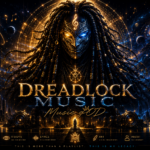
The early Dreadlock Music catalog developed on SoundCloud before the current website became its central home. That history matters because the website did not create the music project. It grew out of an existing body of work and the practical need to make that work easier to explore.
What a dedicated website adds
A dedicated site can organize tracks into mood-based playlists, present a full song archive, explain genres and recording methods, and connect songs to articles. It also gives the artist control over the surrounding experience: navigation, visual identity and the path from one track to the next. A streaming profile and a website serve overlapping but different purposes.
Discovery versus distribution
Distribution answers whether a recording can be accessed. Discovery answers whether the right listener can find it. A website cannot guarantee traffic or search rankings, but well-structured pages, descriptive links and helpful writing can make the catalog understandable to both people and search engines. The distinction becomes increasingly important as the archive grows.
Why direct listening matters
The Dreadlock Music website allows listeners to move among songs, playlists and explanations without treating a third-party platform as the only doorway. A listener might arrive through an article about freestyle R&B, continue into the catalog, and find a recording that would never have appeared in a generic recommendation feed.
What other independent artists can learn
Start with the music, then build organization as the catalog grows. Give listeners clear routes through releases, write useful context instead of repetitive promotion, and keep important information on a platform you control. A website is not a substitute for making good music or connecting with listeners. It is infrastructure that helps the work remain accessible.
Frequently asked questions
Does every independent artist need a website immediately? No; a simple profile may be enough at first. Does a website replace SoundCloud? Not necessarily; both can serve different audiences. Why build one for a large catalog? Because navigation, context and search visibility become more important as releases accumulate.